
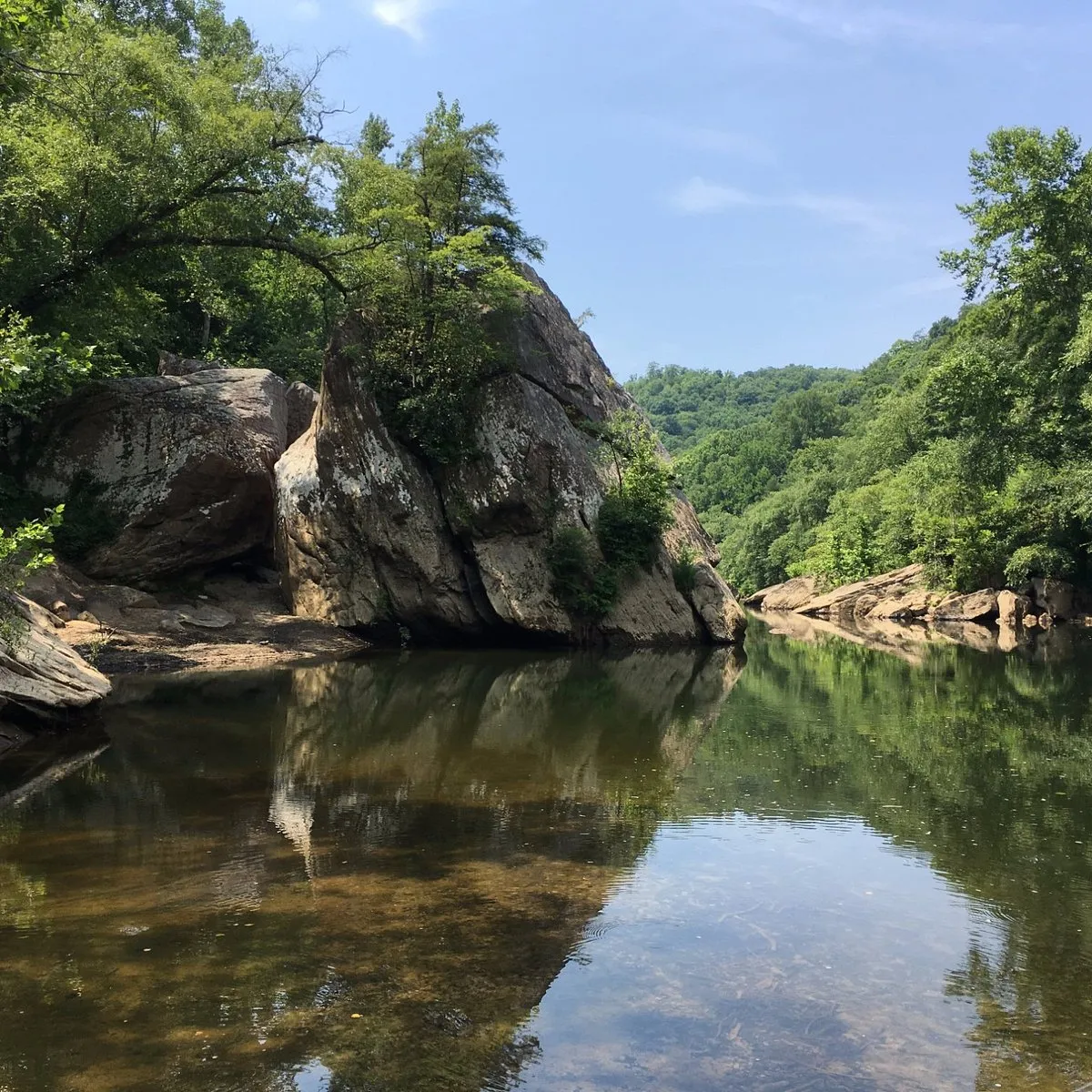
I’m not writing from a place of quiet reflection. I’m writing because something is happening in our backyard that should concern every person who calls Tennessee home.
Tennessee is, at its core, bucolic. Rolling ridges. River breaks. Quiet stretches of land that feed both our economy and our sense of place. These aren’t just pretty views. They’re working landscapes. They support jobs, sustain families, and give future generations something worth holding onto.
I’ve walked those lands as a park ranger. I’ve protected them. And there’s a shared understanding among those who manage them: our public lands belong to all of us.
That’s what makes this moment matter.
The Big South Fork National River and Recreation Area was created to protect the headwaters of the Cumberland River system. It contains a large number of scenic rock formations and provides protection for a diverse community of plants and animals. This park is a major tourist attraction for a rural area that benefits from it.
Now it faces a serious threat.
A Class I landfill has been proposed near Bear Creek in Oneida. That creek flows directly into the Big South Fork. Any landfill carries risk. The question is whether this is the right place to take that risk

Given the proximity to a protected watershed, it clearly isn’t.
And the concern isn’t just location, it’s process.
This proposal relies on an older landfill permit from 2010. Instead of starting fresh under today’s standards, the effort appears to lean on that earlier approval as a pathway forward. That raises real questions about whether this project is being evaluated with the full weight of modern environmental expectations.
The land itself adds another layer of concern.
The Big South Fork region has complex hydrology. Water doesn’t just move across the surface, it moves through the ground, through fractures in the rock, and through interconnected systems that are difficult to predict. Flooding can be rapid and dramatic. In a landscape like that, contamination is harder to contain and its impacts harder to reverse.
That’s not theory. That’s the reality of karst terrain.
And the people who live there understand it.
The City of Oneida and Scott County have both exercised their legal authority under Tennessee law to reject this landfill. The Tennessee Senate has taken action to block it. Local communities are not waiting around, they’re organizing.
The fight against the expansion and development of the Roberta Landfill (specifically Phase II) in Scott County, Tennessee, is being led by a combination of grassroots citizen groups and a formal coalition of local governments.
The grassroots groups:
- Cumberland Clear: A non-profit corporation formed by Scott County residents to organize a grassroots campaign. They have retained Nashville-based environmental lawyer Elizabeth Murphy to challenge the legality of the permit applications
- The Transparent Bridge Initiative: Co-founded by residents to provide public information, livestream government meetings, and deliver petitions. They focus on transparency and uniting residents of both Scott County, TN, and McCreary County, KY.
- Don’t Trash Scott County: A large citizens’ coalition (with a significant Facebook presence) that focuses on the environmental risks to Bear Creek and the impact on local property values and health.
The Scott and McCreary County Environmental Coalition is a unified body formed by local municipalities and county governments, including:
● Scott County, TN
● McCreary County, KY
● Town of Oneida, TN
● Town of Huntsville, TN
● Town of Winfield, TN
This isn’t abstract. It’s local. It’s immediate.
And it raises a bigger question:
Are our public lands something we protect or something we negotiate away when it’s convenient?
Because once you set the precedent that older approvals can override current realities, you open the door to more decisions like this. Decisions that trade long-term stability for short-term gain.
We don’t get many chances to step in before damage is done.
This is one of those moments.
Our lands, our bucolic landscapes, our waterways, our shared inheritance, are not for sale.




Together We Rise: A Campaign for Everyone