
Leadership That Listens vs. Leadership That Lectures
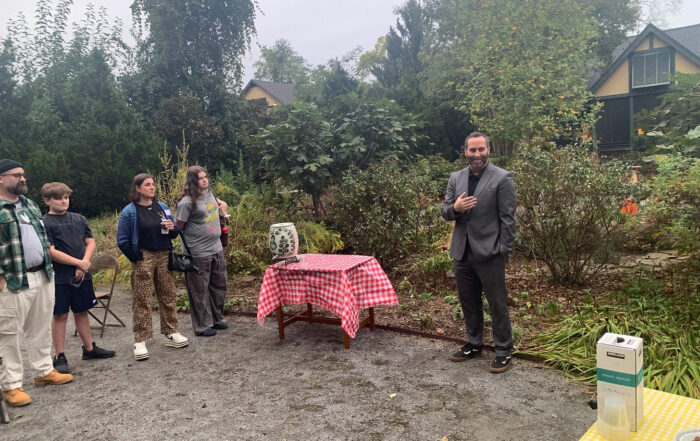
Over the past few weeks, I’ve spent a lot of time sitting down with people across Tennessee’s 6th District. Coffee shops, community centers, county meetings, veterans halls. Different places, different conversations, but the same approach every time.
I show up, I ask a question, and I listen.
That might not sound like much, but it stands in pretty sharp contrast to what a lot of folks are used to seeing from their representatives.
Two Different Approaches
The way I see it, there are two ways to approach a leadership role. One starts with the answers. You walk into a room with a message already decided. You give the speech. You tell people what the problem is and what the solution should be. Then you move on to the next stop and repeat it all over again.
The other starts with the people in the room. You ask what’s going on in their lives. You listen for what keeps coming up. You pay attention to what doesn’t make it into headlines or talking points, and you accept that you might not fully understand the problem until you’ve heard it from enough angles.
What I’ve Seen on the Ground
When you take the time to listen, you start to notice patterns. You hear about healthcare access in counties where the nearest hospital is hours away. You hear about the cost of living from folks who are working full-time and still feel like they’re falling behind. You hear from veterans who are trying to navigate systems that should be accessible, but aren’t.
Underneath all of it is a common thread: People want to be taken seriously. They want to know that decisions are being made with an understanding of how those policies actually affect their lives. That kind of understanding doesn’t come from a script.
The Limits of Lecturing
When leadership turns into lecturing, something important gets lost. You end up with policies that look clean on paper but don’t hold up in real life. You miss the secondary impacts because no one took the time to ask how a policy would play out in a rural county versus a growing suburb.
You create distance between people and the people who are supposed to represent them. Most folks in this district can tell the difference pretty quickly. They’ve heard the speeches before. They know when someone is talking at them instead of with them.
A Platform Built on Principles, Not Just Scripts
This is why I’ve built this campaign on three unwavering pillars: Affordability, Accessibility, and Accountability. While I stand strong on my principle and policy beliefs, I understand that I must always keep an open mind. Confidence must not be turned into arrogance.
Listening is not the easy route. It takes time. It means you don’t always have a neat answer ready. But it also means being willing to adjust. If I hear the same concern in five different counties, I don’t ignore it because it wasn’t part of an original plan. I take it seriously, and I use it to shape the path forward.
The Kind of Leadership This District Deserves
The people I’ve met across this district are paying attention. They know what’s working and what isn’t. They don’t need someone to come in and explain their own lives back to them. They need someone who will show up, listen carefully, and make decisions with that understanding in mind.
That’s the difference between leadership that listens and leadership that lectures.
If you’ve been part of one of these conversations, I appreciate it. If you haven’t, there’s always a seat at the table. Because the only way to represent this district well is to keep listening to it.




Together We Rise: A Campaign for Everyone